
|
I have just published new dates for my ever-popular Running Technique Workshops for Running Technique - Fundamentals and Trail Running. These book out quickly so please email me at [email protected] to book a spot :) 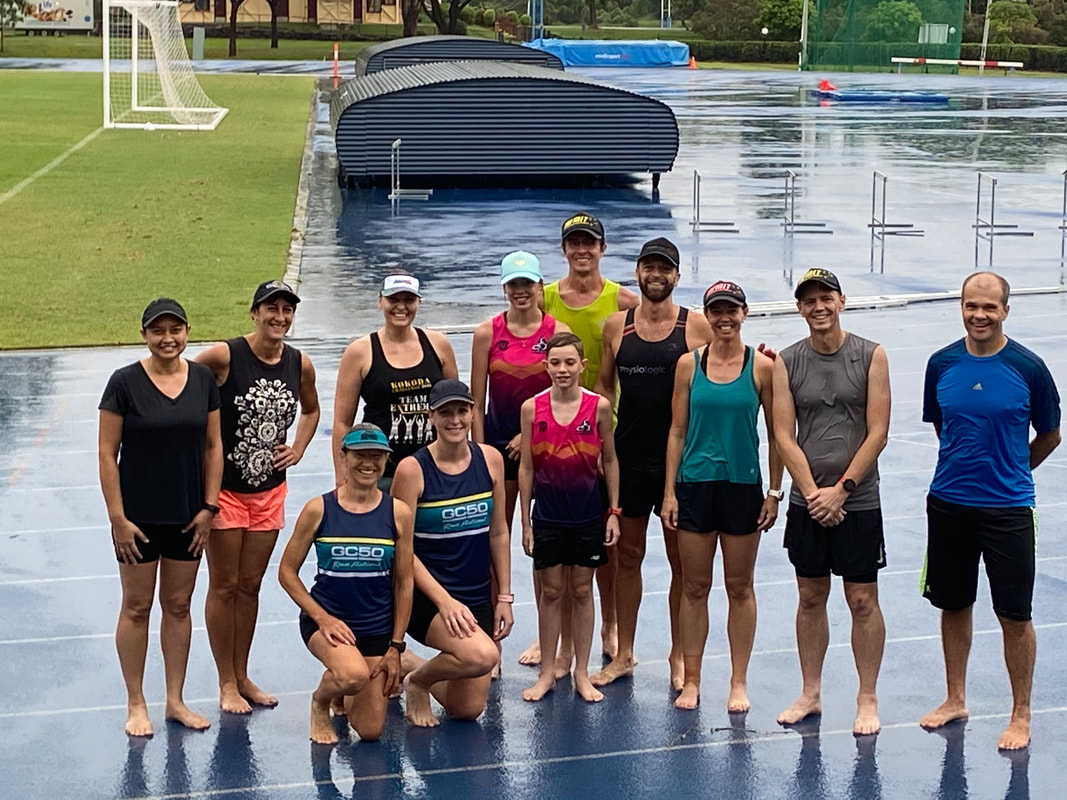 Running Technique Workshop, Gold Coast. 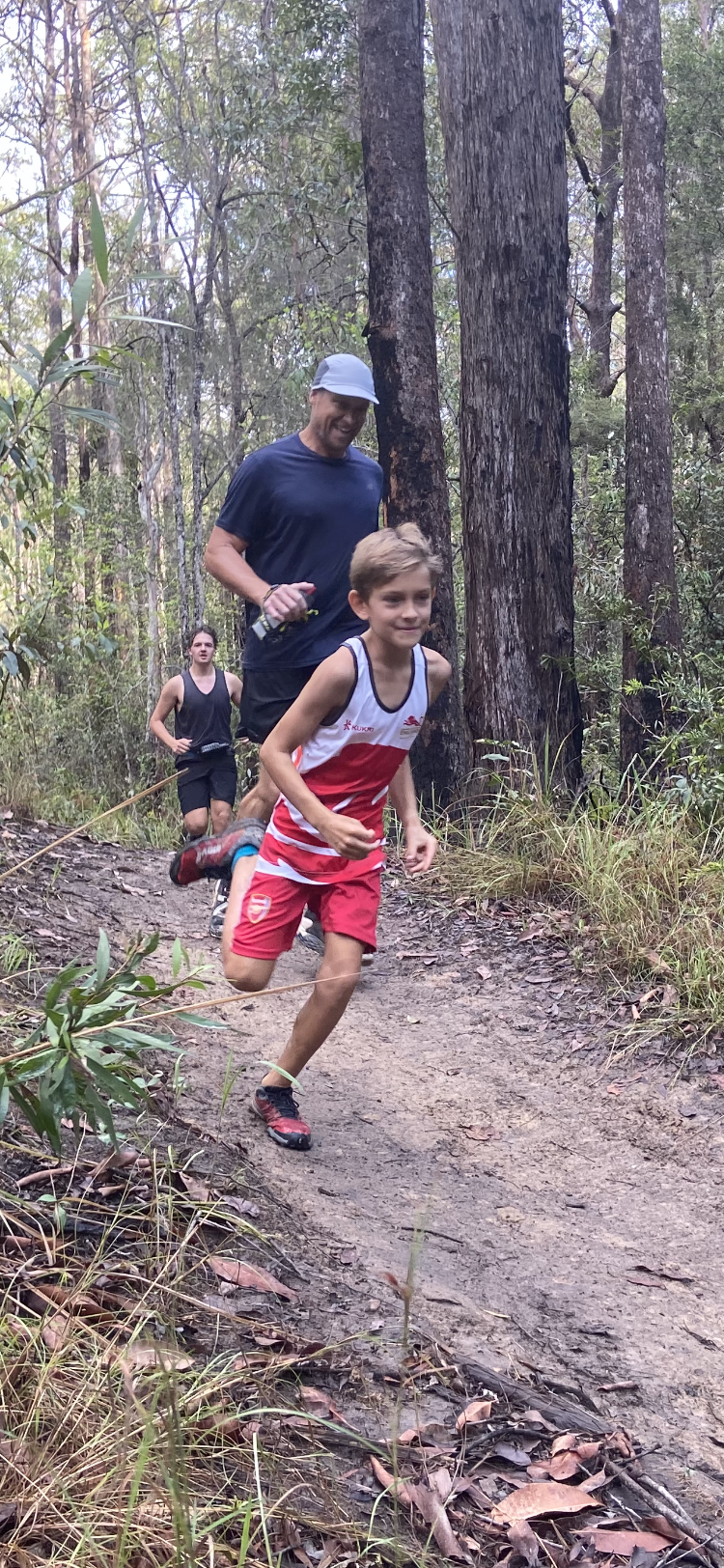 Trail Running Technique Workshop - Gold Coast.
0 Comments
It goes without saying that recent times have thrown up their share of challenges for runners. Altered work conditions, home schooling, events cancelled - it has been a time of huge change for all Australians. Running is more than a sport, it is a lifestyle, an anchor to our true selves, our outlet, our stress relief, and our social life. During the Covid-19 restrictions, many of these aspects of running have been taken away from us and it is only now that we can start looking towards a future where we can run again with confidence. If you have found yourself lacking your usual running fix, how do you kick start your running year again? 1. Set achievable goals Whether you have had a lay-off from running, are brand new to the sport, or are just looking for some added motivation do get you going this year, you need to set some goals. Goals act as the carrot, the reward at the end of all your hard work and training. However, we need to be careful about setting goals. If the goal is too ambitious, then it may be too out of reach and actually be more off-putting than motivating. Pick something that you are confident you can achieve, with a bit of work (don’t make it too easy either), and set a realistic time frame. For example, the goal of “I want to run a 5k in under 25 minutes by the end of August" is a great goal if you can currently run 26 minutes but not such a great goal if you are currently completing it in 35 minutes. Likewise, setting a timeframe helps to add some urgency to your goal setting. Remember your SMART (Specific, Measureable, Achievable, Realistic, Timely) goals? Well this is your chance to put the theory into practice!  2. Build routine We are creatures of habit and the single best thing you can do to kick yourself back into the habit of running is to create a routine. The routine itself doesn’t specifically matter, as long as you create the routine and stick to it. If you are brand new to running or haven’t run for a long time, then set yourself a routine of trying to do some kind of exercise every day. Keep the bouts of exercise themselves short and very achievable and focus more on the routine than trying to get a killer workout at each session. Always think about tomorrows session so that you are always keeping the routine alive and in your thoughts. An example for a person who wants to run 3 hours per week could be: rather than running 3x 1 hour (actually giving you 4 days per week when not running), splits the 3 hours into 6 runs of 30 minutes with a strength session of 30 minutes on the seventh day. This creates the habit and routine of training daily and is something that can be built upon easily in the coming weeks. 3. Explore somewhere new If you are anything like me you will tend to run the same routes and the same laps and loops on a regular basis. This is actually a good idea because, as we discussed above, building a routine is paramount in getting the consistency to your training. However, when you are starting back up, it presents a great opportunity to check out some new trails or routes, perhaps exploring areas close to home that you don’t normally run or heading further afield to tackle a new mountain or a new trail. Talk to other runners and get some ideas about places you can run that you might not have considered. In recent weeks I have personally found a couple of really nice trails that are really close to home, but that I had never considered exploring before. Now I know they are there, I will include them in my regular training routine.  4. Focus on technique Running technique is crucial for efficiency and to minimise your risk of injury. Good running technique will enable you to run further and faster, and to enjoy the running more than ever. A great time to start working on your running technique is after you have had a bit of a lay-off or don’t have any pressing events on the horizon. It takes time to perfect a new technique and in the short term you may find your running performance actually reduces slightly and muscles you didn’t even know you had, start working harder than ever before (hello calves and hamstrings!). This is fine and will improve with practice, and whilst you are getting back into your full training is a great time to implement these changes. 5. Dream big What is your dream event, your lifetime running goal? Maybe it is a 5k PB, a marathon, a trail ultra, an overseas event - we all have bucket list goals. Now is the time to really dream big and take inspiration from these long term blue sky challenges. The surge of adrenaline from visualising the start of your next big challenge or event will help you set short term goals, build your routine, and get back out there on the roads and trails. 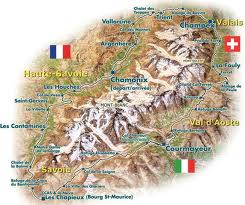 I hope that has helped provide some tips and inspiration for the rest of your running year May your dreams be big and your worries stay small.
 With gyms closing around the country amidst the Covid-19 pandemic, many people are taking to the streets and running for the first time in a long time. It makes a lot of sense to run instead of going to the gym - it is free, outside, and can be done solo. Whilst it is fantastic to see people making the most of a challenging situation, new runners need to be careful that they don't fall victim to a running injury that sidelines them from their new fitness activity. Here are my top 3 tips for you new runners - to avoid injury and be able to enjoy your running over the coming months: 1. Too much too soonAfter your first run as a new runner, you'll likely have some muscle soreness that could last for a few days - the calves and the quads being the muscle groups most likely to be affected. After a few days, this soreness will abate and you can run again. After a couple of weeks you'll no longer be getting sore, your body feels like it is getting better at running and you decide to increase your distances, or run faster, or run more often. Beware! This period from week 4 to week 20 of a new running journey is when you are at most risk of developing a running injury. The cardiovascular and muscular system will adapt quickly to the new strains you place on them, but other structures in the body take longer to adapt. The bones, the joints, the ligaments, and tendons take many weeks and even months to adapt to the new strains being placed on them. Runners will not often get acute muscle injuries but are more at risk of injuries to bones (stress reactions), tendons (tendonopathy), and the joints (chondromalacia). These injuries can also take a long time to heal, so you'll be away from running potentially for several months. To combat this, it is important to not run too much too soon. To begin with aim to run 3 times per week, allowing your body time to recover for 48 hours before your next run. The exact amount you should run will depend on your prior experience and will be different for different people. It is important to be conservative and listen carefully to your body. Don't increase your run duration per week by more than 10% each week. 2. Running techniqueMany people don't consider running to be a technique. Surely it is something that we are all able to do, we learn to run when we are children and you are either good at it or you aren't, right? Wrong!! Running is a very technical action and one that can be taught and learnt. The benefits of running with better technique are that it will reduce your risk of injury and improve your efficiency (making you a quicker and more efficient runner). Try these techniques next time you run: Run like you are on hot coals: the goal of this is to make your steps lighter and faster and enable you to reduce your ground contact time. Think heavy running is bad, light running is good. Breathing: focus on a breathing rhythm that is 3:3. This means three steps for an in-breath and three steps for an out-breath. This helps you to pace yourself and breathe fully into your lungs. Head/neck posture: there are many postural cues you can use to help you with your running but one that works well (particularly for those who use a computer a lot during the day) is to focus on your head and neck. As you run, gently draw your chin down towards your chest, like you are making a slight double-chin. This helps balance the head on the spine and means that the top 'link' in your postural chain is in the right position. 3. Pace, Running can feel difficult and painful for many new runners. They find themselves getting out of breath quickly, perhaps get a stitch, and get a burn in the muscles of the legs. Inevitably, this causes running to be unenjoyable and means that you slow down or just stop altogether. The trick to dealing with this is to adjust your pace.
You should do most of your running at a pace where you can have a conversation. If you are running with a friend you can easily test this by talking to them as you run (observing current social distancing guidelines of course!). You should be slightly breathless (but only slightly) and should be able to talk in full sentences. If you can't talk in full sentences you are running too fast and should slow down. This may feel a little strange at first - deliberately running slowly - but after a while you will get into a rhythm and will find you can run much further before you feel the urge to stop. ------------- With an uncertain future in so many aspects of our normal daily routine, physical exercise is one thing we can still be in control of. Running is the perfect activity to stay fit: You can get outside, be by yourself, it is free, and if done right is incredibly rewarding and enjoyable. Follow the tips above to get more out of your running and please get in touch. Stay safe, and run happy :)
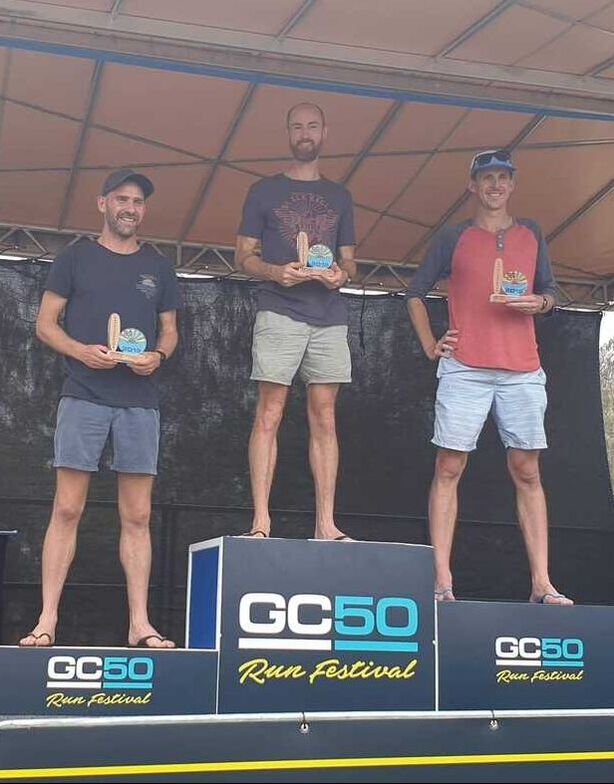
It is my great pleasure to announce the two athletes who will be sponsored for coaching for 2020. First I would like to thank everyone who applied for the sponsorships. I was truly blown away by the response from the running community and the decision was made all the more difficult by the calibre of runners and the breadth and depth of challenges and adventures people are undertaking in 2020. What an amazing and inspiring community to be a part of - thank you all. The first athlete is Tom Brimelow. Tom and I worked together last year and I am honoured to be able to work with him again in 2020. Supported by his wonderful wife Hayley and his three boys, Tom had an incredible 2019, with wins at Up the Buff (course record), GC50 30k, Waterfall Trail, and Kokoda Challenge and the stand out performance of the year, a 2nd place at the prestigious UTA 50k. His 2020 goals are to set a new 5k PB (he has already taken 20 seconds off this year), run the UTA 50k again and tackle his first solo 100k as well as taking on another road marathon. Tom is a genuine star of Australian distance running with a professionalism and dedication which is truly inspiring, as well as being a very humble and down to earth guy and a good friend. 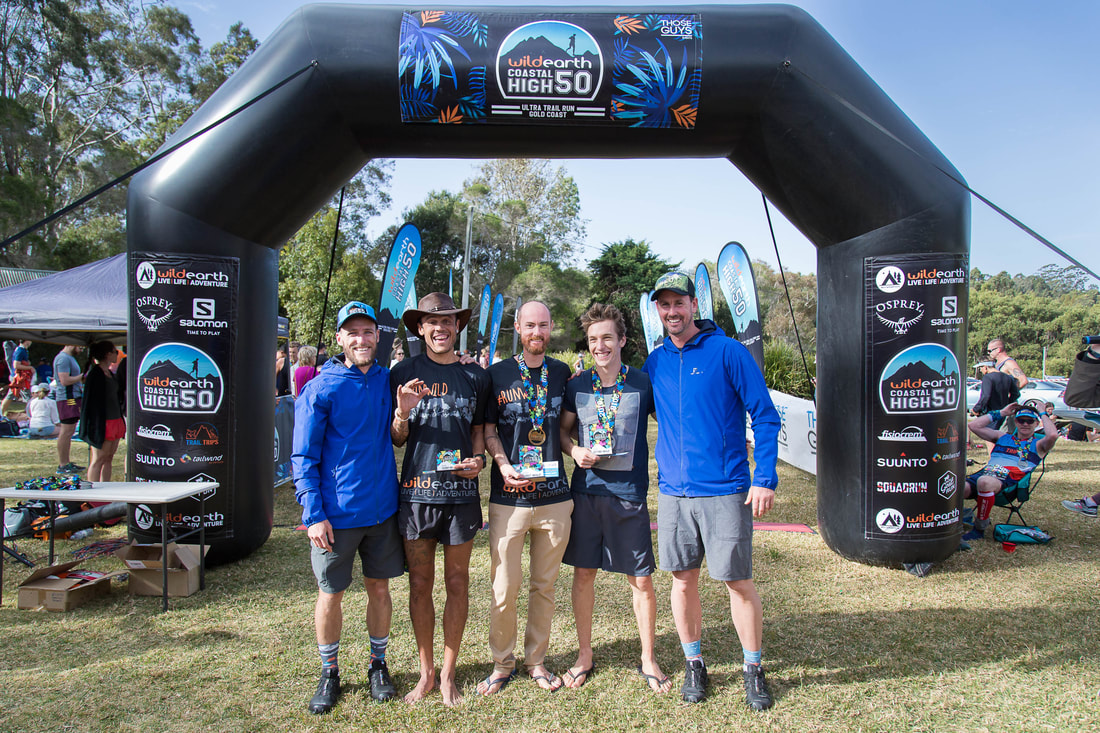 The second athlete is Anje Craft. As soon as I met Anje, I was blown away by her generous spirit and her incredible drive. Anje has had to overcome serious health issues in 2019 and I will let her tell her own story as it is not your typical runner's tale: "I have always been a bit of a go-getter with fitness goals. I've summited Mt Kilimanjaro, ran along the Great Wall of China, made it to Mt Everest base camp, completed many obstacle challenges, finished the GC Kokoda Challenge a few times, played rep netball for the GC and jumped in on whatever else physically I could over the past 3 or 4 years. But unfortunately in 2019 I faced some significant health issues with my heart which resulted in me having 3 heart surgeries and having a defibrillator put in my heart on 19 November. As a result of heart issues, during 2019 I put on some considerable weight and was not able to complete some running challenges I set for myself during the year. I have recently been given the all clear by my Cardiologist to return to physical activity and I'm looking forward to getting back on track physically to continue my 7 summits goal (ed. to climb the highest mountain on each of the 7 continents) and to tackle more endurance events in the future, including UTA100." 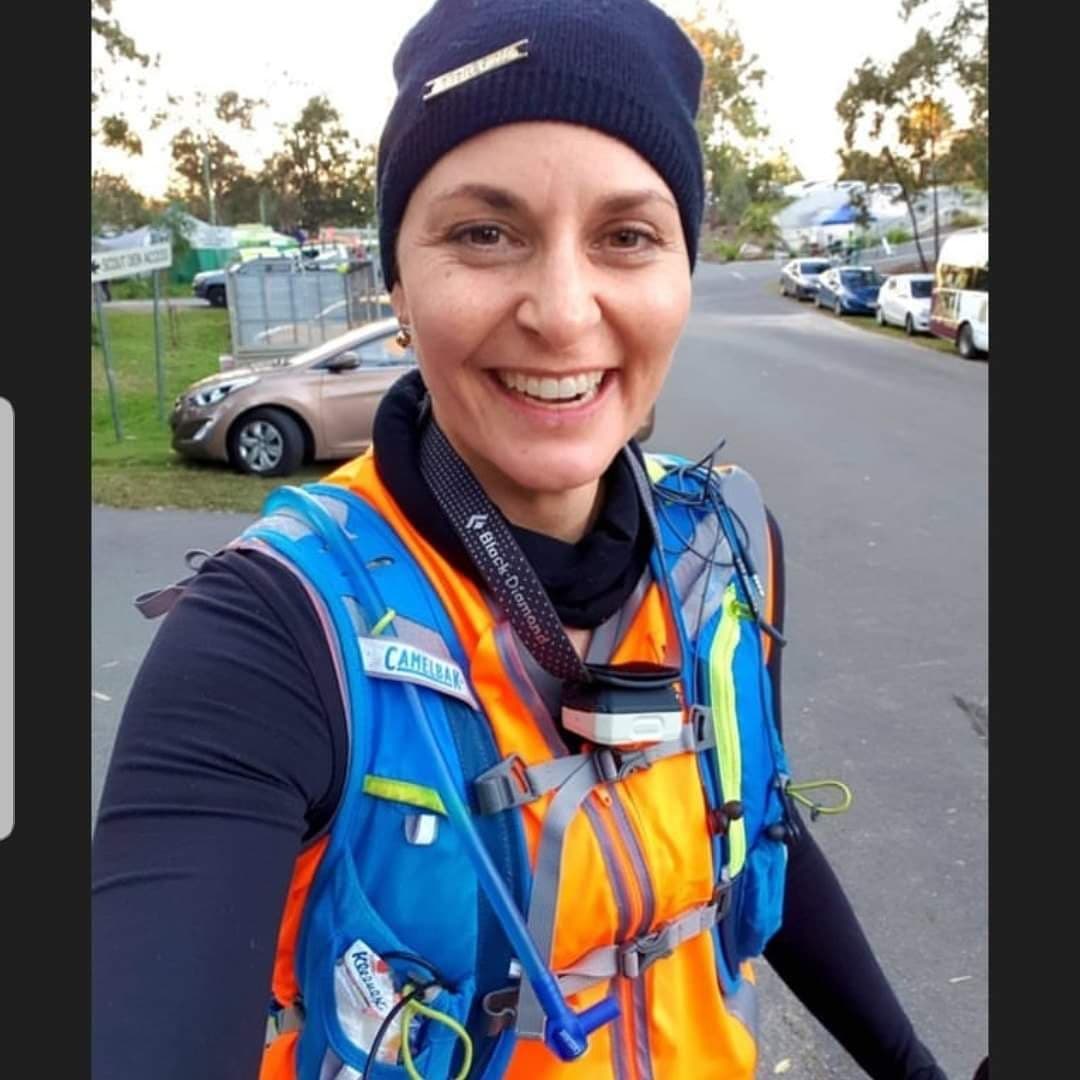 I'd like to warmly welcome Tom and Anje and can't wait to see what 2020 has in store for them both.
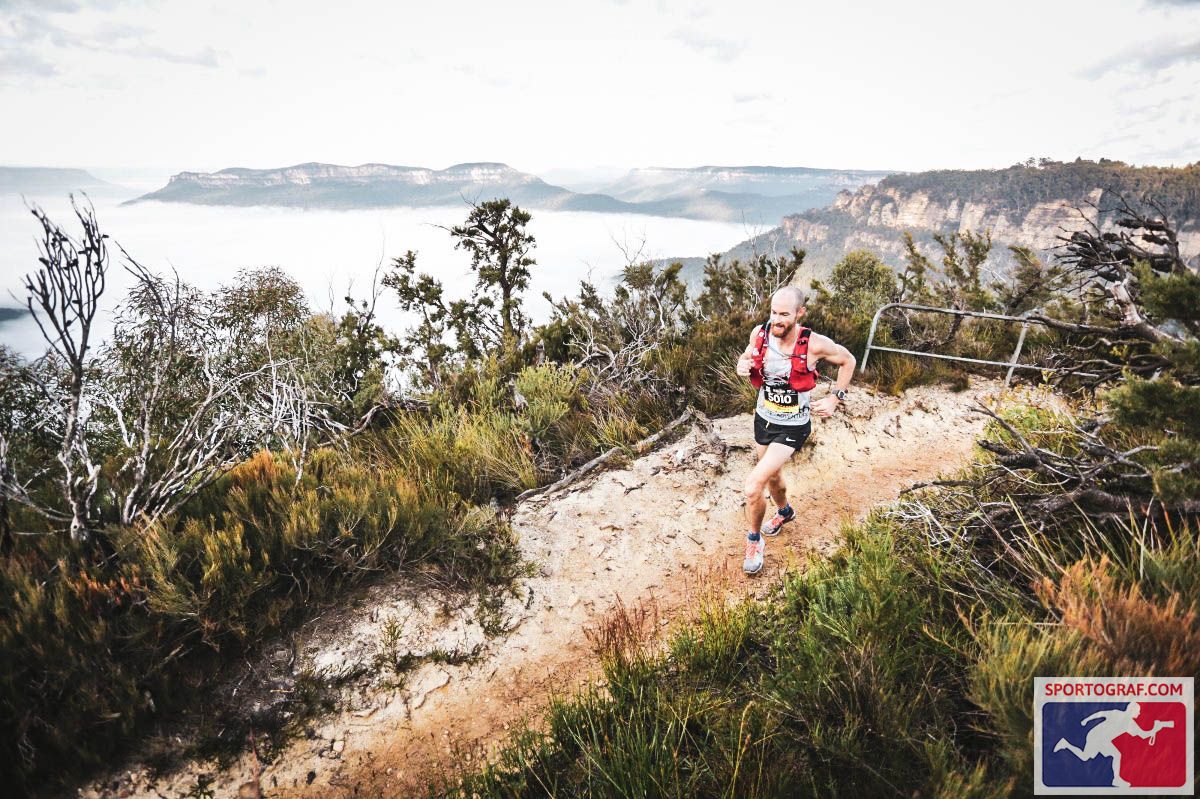
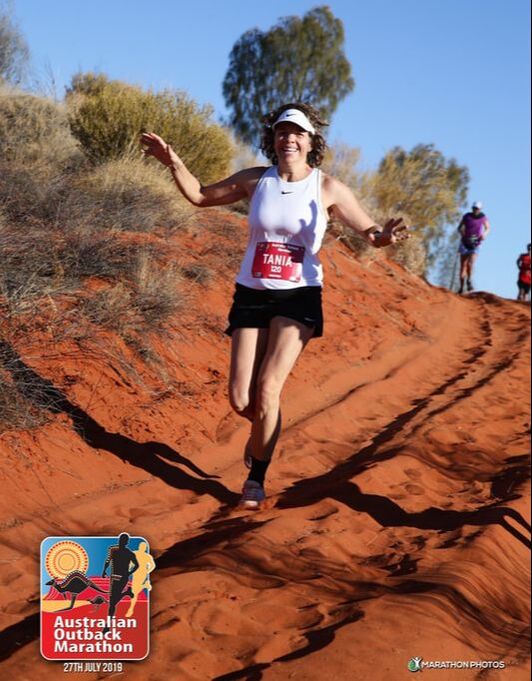
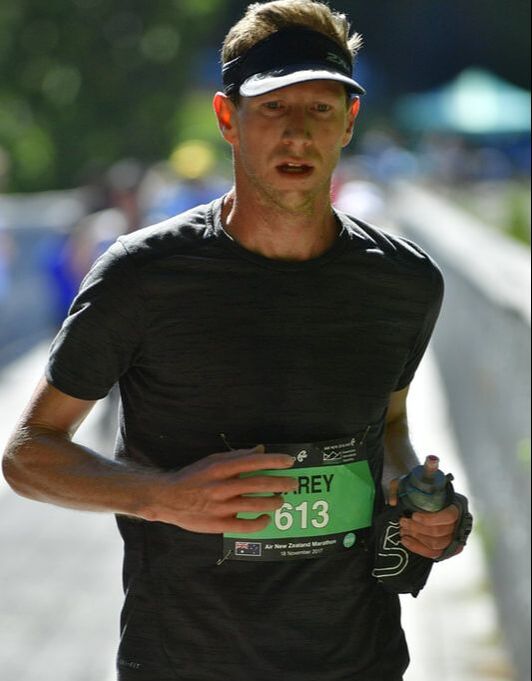
Happy Running :) Would you like free running coaching for a whole year? Each year I offer two sponsorships to runners. The sponsorships are for a full year of online running coaching and I invite you to apply. In 2019 I helped athletes complete a diverse range of goals. Here is a snapshot of a few successes from the year:
For 2020 I have one sponsorship place left and invite all interested athletes to contact me. The invitation is open to any runner from the age of 16 upwards. It is also open to all abilities of athlete, from novice to elite, female or male. As a sponsored athlete you will get full access to the same coaching experience as my paid athletes - full details here. If you have never had a coach before, there is more information in the post, "Why do I need a Running Coach".
All you need to do to apply is connect with me through Facebook and send me a message via Messenger. In your message, please tell me about yourself. What is it about running that you love, and what are your running goals for 2020? Why do I need a running coach? This is actually a very important question to ask yourself. As Simon Sinek says - start with WHY! I think there are a number of reasons why a running coach is a good idea and why a running coach can be a valuable resource for any runner - regardless of their level of experience.
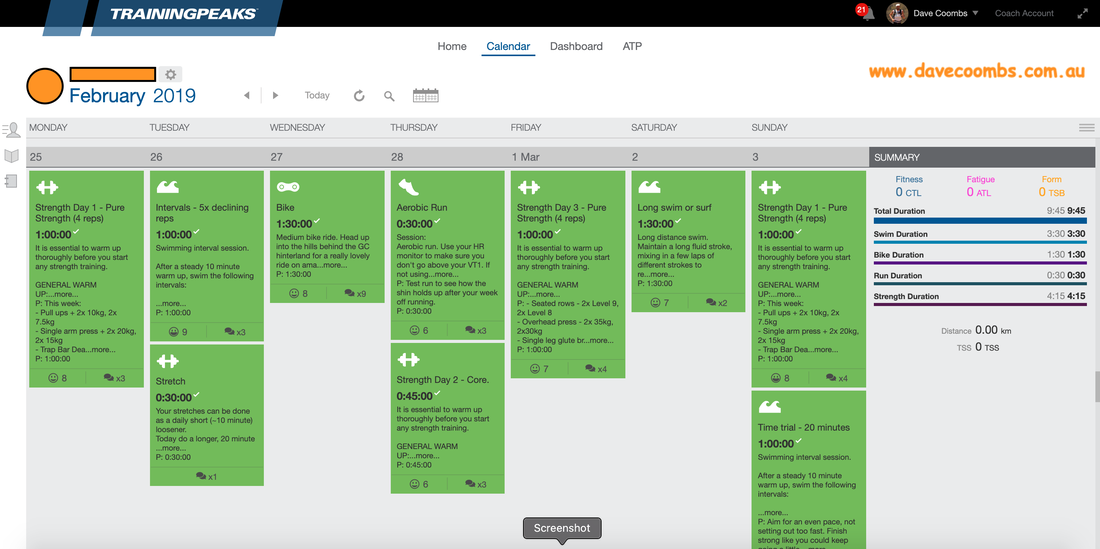
Running coaching is my passion, and if you are looking for a running coach, or have any questions please get in touch. For more information about my coaching services please click this link. 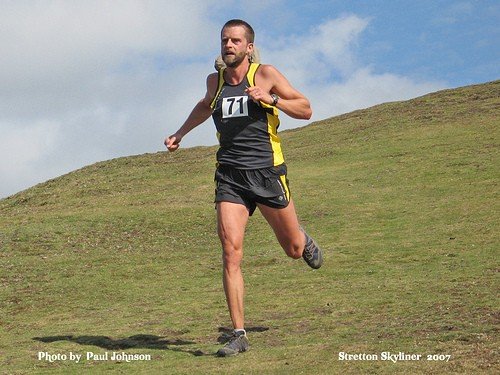 Descending with tired legs during the 2007 Stretton Skyline race. Week Ending: 7th January 2018
MONDAY: Watched the Morning After fell race runners come smiling their way back through the streets of Church Stretton. Very jealous I wasn't running. TUESDAY: 90 minutes + 30 minutes. Caer Caradoc and Long Mynd. A trip down memory lane running the hills surrounding Church Stretton. These hills are responsible for me taking up running seriously, after an impromptu entry into the 2006 Boxing Day, Devil's Chair Dash fell race led to one of those ah-ha lightbulb moments in life. I entered the race on a whim after seeing it advertised in the local paper and am not really sure what drew me to it - I wasn't doing any running at the time, focussing solely on mountain biking - perhaps it was that it sounded so ridiculous, a mid-winter fell run with no training, why the hell not. Anyway, entry secured we struggled a little to find the start line as it was tucked away down a dead-end valley in the middle of nowhere down a tiny singletrack road and ended up turning up late to the start. The organisers were very relaxed and let me start anyway, so without a warm up and straight out of the car I started up a track that very quickly became narrower and steeper. Immediately gasping for air, I was pleased to see that I quickly started catching a few of the back-markers and managed to settle into a sort of jogging shuffle as I tried not to walk on the steepening terrain. Suddenly a shout of "RUNNERS" came from just ahead, followed by what sounded like stampeding horses, as the leaders came charging downwards back towards the start/finish. I remember actually stopping and getting out of the way, such was the speed they were travelling. It was incredible to see people running so fast down such a steep, slippery, rocky hillside and after my initial shock abated, my second thought was, <<I need to learn how to do that !>>. I can't honestly remember much more of the race, except that my descent was like a baby taking its first steps compared to the guys in front. I was sliding all over the place, my road running shoes providing no traction on the wet ground, and my cyclist's knees and quads could not handle anything more than a gentle jog down the slope to the safety of flatter ground. However, despite my less than graceful downhill skills, the seed had been sown and I was immediately hooked on this crazy sport called Fell Running. Fell Running is a uniquely British sport of medium to long distance (5km to Marathon) events in the hills (fells), with routes often taking the shortest route up and down a hill, not necessarily on a track and often unmarked, so local knowledge rules (check out the excellent book Feet in the Clouds, by Richard Askwith). I loved it, and completed a summer racing the Shropshire Fell Running series before leaving it behind when we moved to Australia. After finishing my run, I headed back out with Harry, and Esme, with her kids Wilf and Dora for a brilliant 5k loop up Cardingmill Valley. Wilf proved to be an absolute gun on the hills, nearly keeping up with me on the climbs and flying down the other side (aged 9). A real talent! WEDNESDAY: Off THURSDAY: 45 minutes. Wey Navigations. Counting down the days until our return to Australia. Did a bit of exploring today on the canal paths making up the Wey Navigations. Obviously flat tracks, but nice to be able to get off the road and run, even this close to London. FRIDAY: Off SATURDAY: 30 minutes. Wey Navigations. Basically a repeat of Thursday's run. We fly tonight. SUNDAY: Off
Week Ending: 31st December 2017
MONDAY: Off TUESDAY: 2 hour. Foulshiels Hill. Mixture of Road, Trail and SNOW!! Running in the snow is one of life's great pleasures and of course, something I very seldom get to experience. Well, today we received an incredible gift and woke to a fresh blanket of the white stuff covering the town and the surrounding hills. Once we had made a snowman, thrown a bunch of snowballs at each other, and run back inside to defrost our aching hands it was time to head out for a run. I had been checking out the hills around Selkirk with the help of an OS map and decided on a obvious looking peak, Foulshiels Hill. Close enough to run to from home, but high enough and far enough away to feel like an adventure. I found the snow covered trail easily enough and the fresh snow was not slippery, especially with my fell running shoes (Inov-8 X-Talon 200). As I got higher the trail all but vanished and I was forced to break a path through the powder. Scottish hills are usually covered in a thick layer of heather and adding a 20cm layer of snow on top makes for tricky footing. Fortunately, there were no unexpected holes to twist an ankle and the trip to the top was made without incident. Running down again was akin to running flat out down a sand-dune. Each footfall was a accompanied by about a half metre slide through the fresh powder, like wearing shoes with 50cm deep cushioning. A great buzz and a wonderful way to round off Christmas. WEDNESDAY: Off THURSDAY: Off FRIDAY: Off SATURDAY: Off SUNDAY: 30 minutes. Road run around Selkirk. Last little run in Scotland. Most of the snow has melted in the town although the tops of the hills still have a good covering.  I Week Ending: 24th December 2017
MONDAY: Off TUESDAY: Off WEDNESDAY: Off THURSDAY: Off FRIDAY: 45 minutes. Road run through Bristol. Up until the age of 18 I lived in Bristol, where the town and its surrounding hills and woodlands offered an amazing network of roads, trails, and footpaths to explore on foot and by bike. My teenage years were spent mostly riding mountain bikes (back when if you wanted suspension you bought a gel cover for your seat and if you wanted brakes that worked you rubbed Coca Cola onto your rims to increase the bite from hopeless cantilevers. Today was a trip down memory lane as I snatched a few minutes before we left for Scotland and ran up to the top of Cabot tower in the pre-dawn mist. SATURDAY: Off SUNDAY: 90 minutes. Selkirk exploring, mix of road and muddy trail. With jet-lag still affecting the family and my parents being later risers, I snuck out early this morning, donned the head torch (it doesn't get light in Scotland until 8am in December) and hit the hills. With no idea where I was going, I just followed my nose and ended up, as is often the case with these improvised runs finding a bunch of unexpected delights along the way. The run finished at The Haining, a beautiful small Loch with a grand old house overlooking. These types of houses are so common around here that you take them for granted after a while. Coming from the Gold Coast where buildings are bulldozed if they get any older than 30 years, it is a stark contrast to see some much history both in the landscape and the way people have shaped it over the centuries. If you are new to this blog, thanks for visiting. Please take a moment to read this post explaining the training diary format. I hope you find something enjoyable, interesting, challenging, and/or amusing in these pages. Dave :) Week Ending: 17th December 2017 MONDAY: Gym. Deadlift 115kg 4x3reps. Superset with Plyometrics. + Core circuit. TUESDAY: Run 1 hour. Nerang SF singletrack with Simon, Hunter and Brad. A really good pre-Christmas catch up. Simon and Hunter recently ran the GSER100 in Victoria and it sounds like an absolute brute of a race. WEDNESDAY: Ride 1 hour MTB with Harry. Not really a training effort but great to get out with the kids when I can. It won't be long before they are waiting for me to catch them. THURSDAY: Run 40 minutes. Improvised session on the driveway at home. 12 reps x 30 seconds uphill sprint. Did the session with Amanda and Harry and to keep things competitive we staggered the start times so we could race each other to the top. FRIDAY: Travelling SATURDAY: Travelling SUNDAY: Run 30 minutes. Shanghai. En-route to the UK for Christmas we elected to have a stop-over in Shanghai and rising early this morning I donned my running shoes and decided to check out a section of the city. I love exploring new places on foot as it gives you a sense of vulnerability and excitement that you don't get from a vehicle. Although I only ran about 6km along a busy suburban street, I enjoyed this run way more than I thought I would. It had everything you could hope for from an urban run in China: hazy smog filling the sky, stray dogs barking in the street, rickshaws loaded up with improbable loads wobbing along the road, electric scooters zipping through the traffic, street side stalls with strange smelling foods and steam rising from battered looking pots and pans. It would be impossible to plan a run like this, you can only have these experiences when you least expect them. Running through the streets of a new city is the best way to witness a slice of a new culture and gave me an unexpected and unforgettable run.  |
Categories
All
Archives
August 2023
|



 RSS Feed
Copyright © David Coombs 2023
|